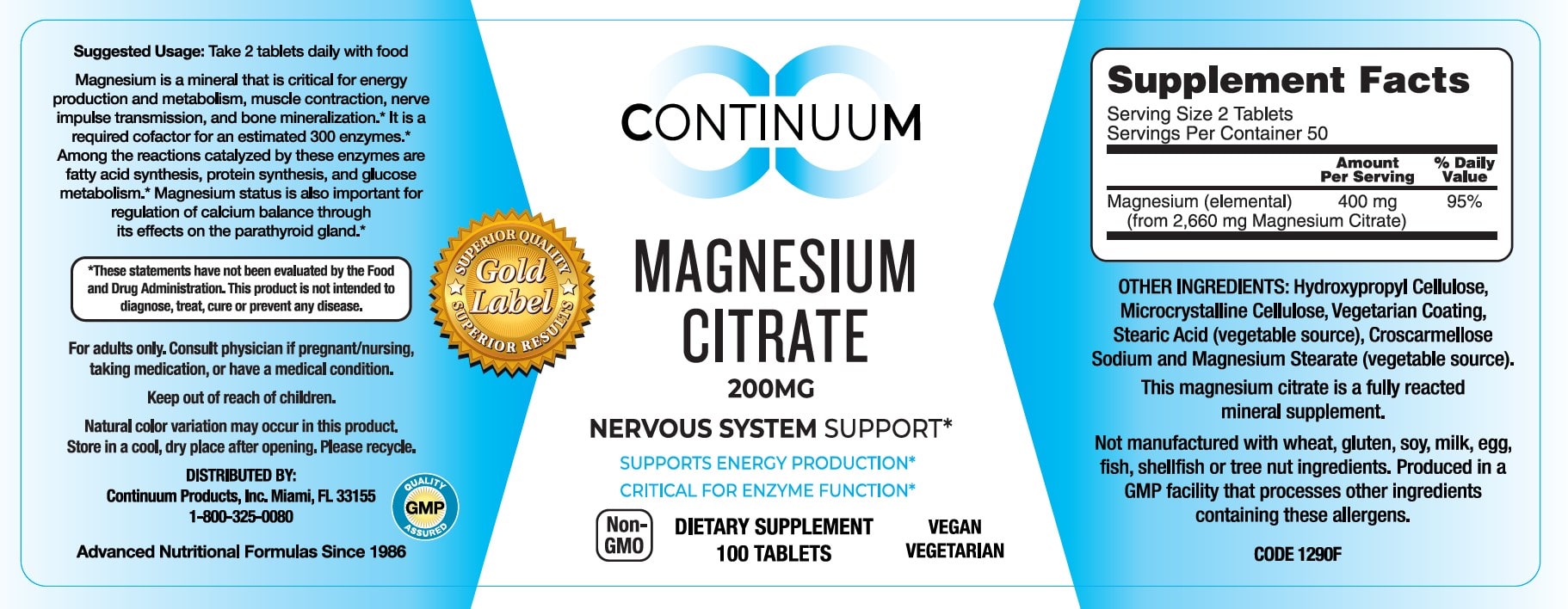
Description
Magnesium – Good for Your Heart, Good for Exercise, and Good for Sleep Too
Amongst these enzymes that need Magnesium, we have several that are responsible for making, repairing and stabilizing our DNA, the molecule that carries the genetic information for the development and functioning of an organism. Since our cells are continually dividing and making new DNA, and since our DNA is continuously being damaged and needing repair to avoid cumulative damage to our tissues and organs, you can see how vital Magnesium is to our overall health.
Magnesium-dependent enzymes are necessary to make the molecule ATP, which provides the energy for life itself, and are necessary as well for utilization of vitamin D3 in our bodies.
Magnesium is a natural tranquilizer that helps lower stress and promotes sound sleep when taken before bedtime. It relaxes your arteries, so it also helps with blood pressure. While Calcium has to do with muscle contraction, Magnesium has to do with muscle relaxation, so it is essential for heart function. Many people in the know take magnesium for headaches and arrhythmias with reportedly good results.
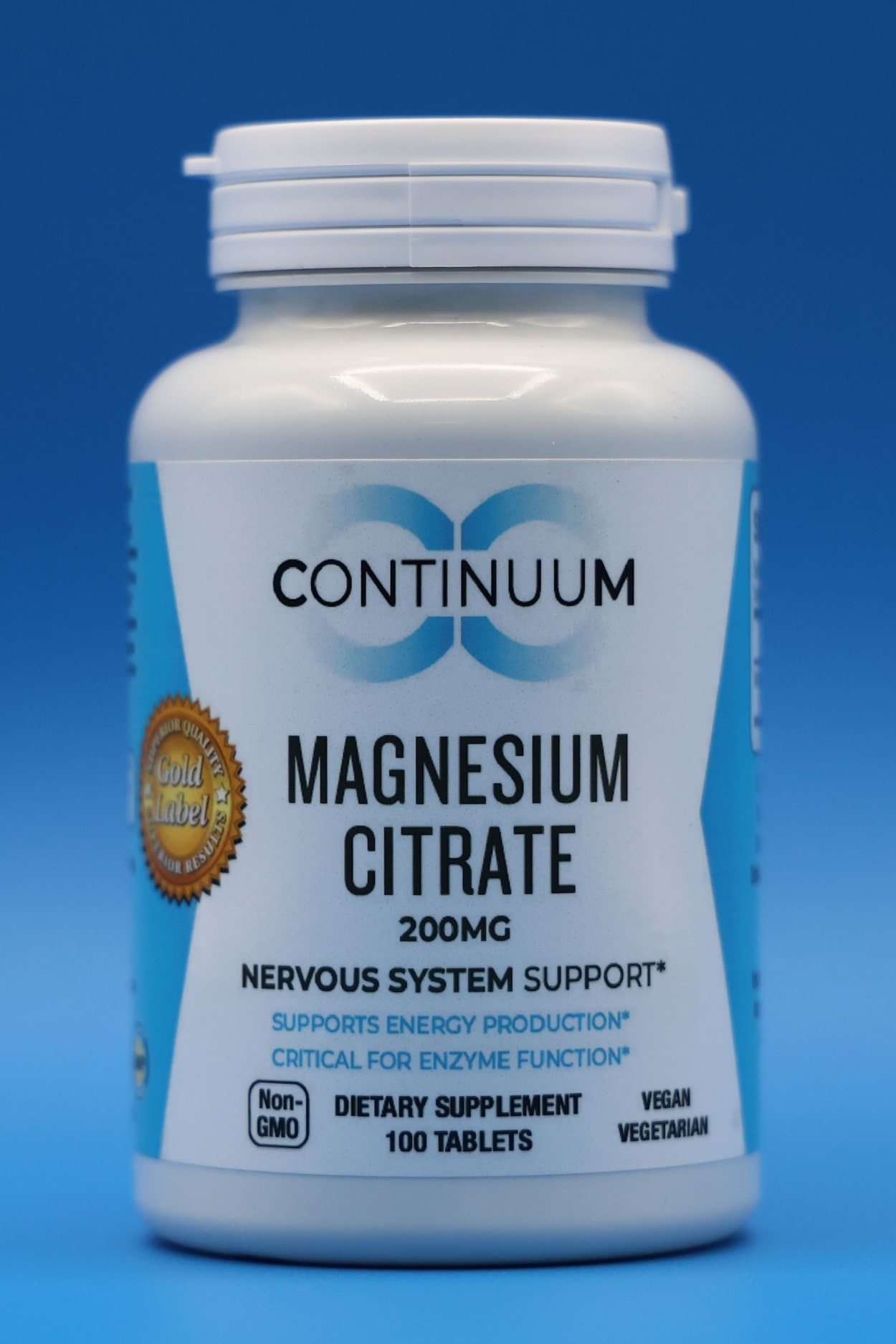
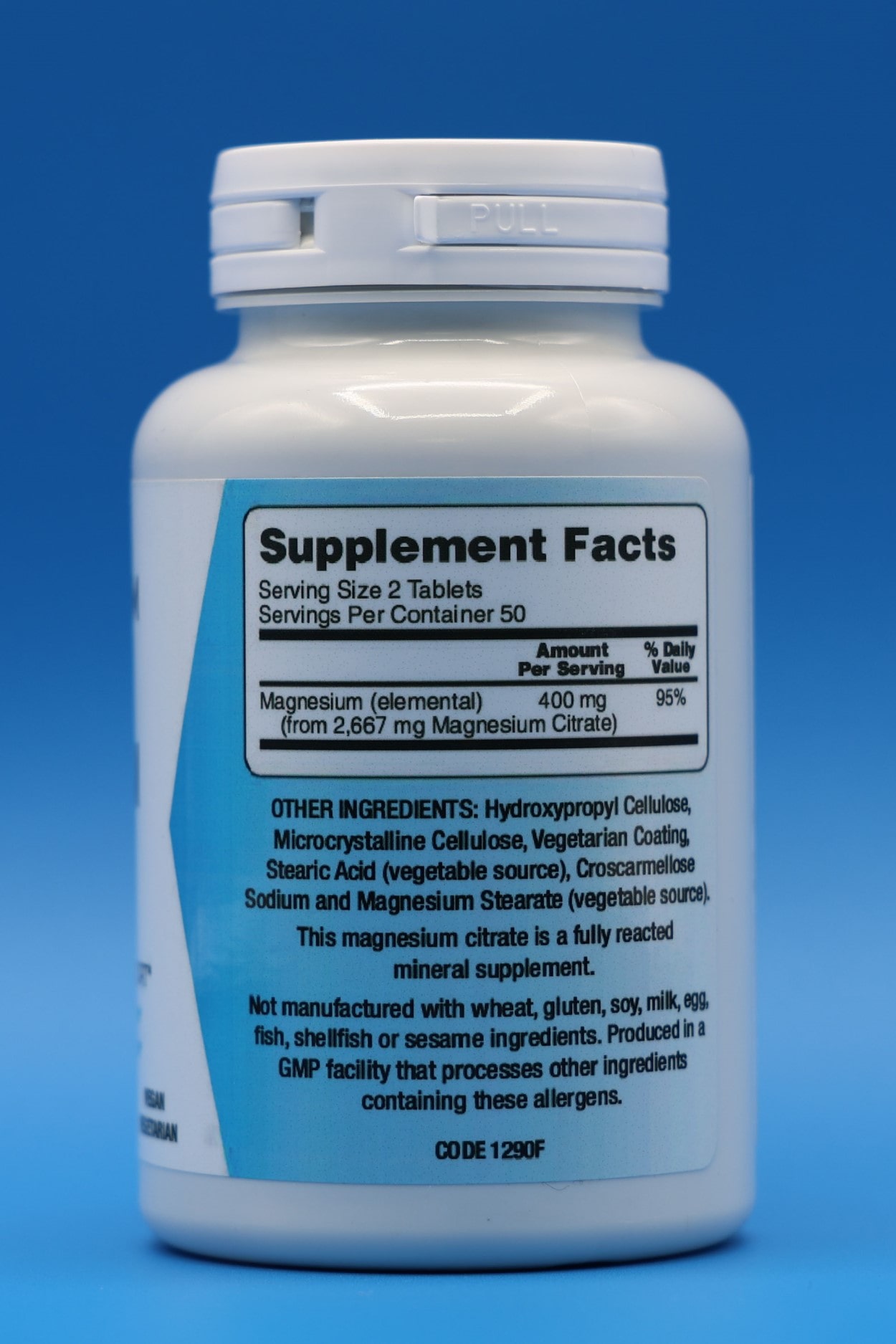
According to the National Health and Nutrition Examination Survey (NHANES) 70% of US adults do not meet their requirements of approximately 400mg of Magnesium daily, and we certainly don’t want to be in that group.
Alcohol, sugar and refined carbohydrates deplete Magnesium. Physically active people also need more because it is excreted through sweat.
Although it has not been established that Magnesium is the single reason, it is interesting that observational studies show people with the highest Magnesium levels have a 40% lower all-cause mortality rate and a 50% lower cancer mortality rate compared to those with the lowest Magnesium levels.